Warm Up Your Designs with Rustic Wood Backgrounds
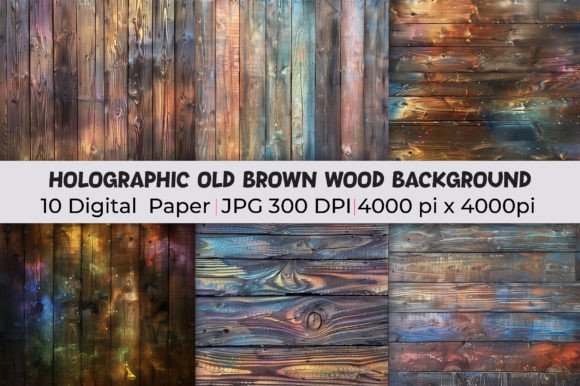
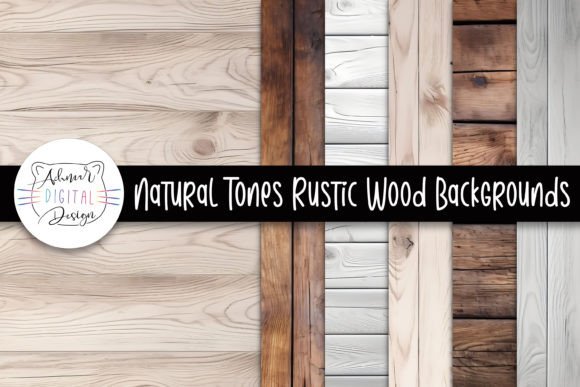
In a digital world that often feels overly polished and synthetic, there’s a powerful pull toward the authentic, the tactile, and the genuinely warm. This is where Natural Tones Rustic Wood Backgrounds come in, offering a versatile and evocative foundation for a vast array of creative projects. These aren't just images; they are a design asset that brings immediate character and a sense of grounded, organic quality to your work. The collection provides a carefully curated set of six high-resolution graphics, each capturing a different facet of rustic wood's timeless appeal. From the deep, rich grains of aged oak to the lighter, sun-bleached texture of weathered planks, this set is designed to provide an immediate sense of warmth and authenticity.
Each background in this collection is presented as a clean, high-quality JPEG file at 300 DPI. This resolution is a crucial detail for any serious creative professional. It means these backgrounds are not limited to digital screens; they are perfectly suited for high-quality print projects. Whether you're designing a wedding invitation, a product catalog, or a large-format art print, the detail will remain crisp and clear. The "Natural Tones" in the title refers to a palette that feels unforced and real—think soft beiges, warm browns, subtle grays, and hints of natural wood color. This palette ensures the backgrounds can complement a wide range of other design elements without overwhelming them. They are cleanly composed, allowing your primary content, whether it's typography, a product shot, or a logo, to stand out with clarity.
Where Authenticity Meets Application
The real strength of a resource like Natural Tones Rustic Wood Backgrounds lies in its incredible versatility. For designers and brand strategists, these textures are a shortcut to building a brand identity that feels approachable, honest, and artisanal. Imagine a small-batch coffee roaster using one of these backgrounds for their packaging design or social media graphics. Instantly, the brand communicates a story of craft and quality. A boutique hotel could use a lighter wood texture on its website to evoke a sense of cozy, modern rustic charm. The applications extend far beyond traditional branding.
For bloggers and content creators, these backgrounds can transform the look and feel of a website or digital publication. A food blogger could use a dark, rich wood texture to make vibrant food photography pop. A lifestyle influencer could use a lighter, more weathered texture for quote graphics or Instagram story templates, creating a consistent and recognizable aesthetic. Marketers can leverage these assets for creating compelling digital ads, email headers, and landing pages that need to feel more human and less corporate. Even for personal projects, the value is immense. Crafters can use them for scrapbooking layouts, custom stationery, or as a backdrop for product photography on platforms like Etsy. The included file format ensures they are ready to be dropped directly into your favorite design software, from Adobe Photoshop and Illustrator to Canva.
Integrating Texture into Your Creative Workflow
Simply having a beautiful background is one thing; using it effectively is another. When you incorporate Natural Tones Rustic Wood Backgrounds into your projects, think about the principles of visual hierarchy. The texture should support your message, not compete with it. A key practical step is to consider your typography. A strong serif font can pair beautifully with a rustic background, enhancing a classic, established feel. For a more contemporary contrast, pairing a clean sans serif font with a detailed wood texture creates a modern, balanced look. This interplay between a textured background and a clear display font for headlines is fundamental to effective editorial design and web design.
Readability is paramount. When placing text over one of these backgrounds, ensure there is sufficient contrast. You might need to add a subtle overlay, a semi-transparent shape, or a slight drop shadow to your text layer to ensure it remains legible. This is especially important for longer blocks of text. For a logo design, a wood texture can be used as a background for a brand style guide or as a subtle element within the logo itself for a specific application, like a stamp or a watermark. The goal is to use these design assets to create a cohesive and professional result that enhances your brand identity.
A Practical Asset for Every Creator
Evaluating whether these backgrounds are the right fit for your project is a straightforward process. Consider the personality of your brand or content. Does it align with values of authenticity, nature, craftsmanship, or warmth? If so, a rustic wood texture is an excellent choice. The six variations included in the zip file provide enough diversity to maintain consistency across a campaign while avoiding monotony. You could use one specific texture for all your social media posts and another for your website's blog feature images, creating a subtle but unified system.
This collection is a premium font for your background library. It’s a commercial font for textures, ready for use in client work, personal projects, and commercial products. Think of it as a foundational element, much like choosing a core typeface for a project. You can pair it with a script font for an elegant, handcrafted invitation, or a bold, geometric modern typography style for a striking poster. The possibilities are vast. This set of Natural Tones Rustic Wood Backgrounds is more than just six images; it's a toolkit for adding depth, story, and a tangible sense of quality to your creative work. It’s an investment in a design element that will pay dividends across countless projects, helping you connect with your audience on a more human level.